Guide
Afternoon Tea vs High Tea: The Difference and the Menu
Afternoon tea is a light mid-afternoon meal of sandwiches, scones and cakes. High tea was a hot evening meal at the table. A cream tea is just scones and tea.
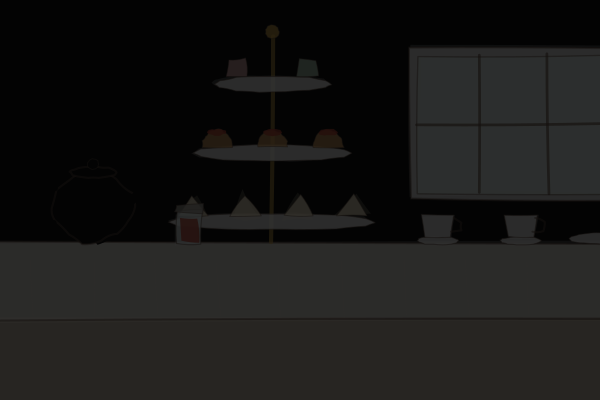
What is the difference between afternoon tea and high tea?
Afternoon tea is a light meal served around 3 to 5pm: finger sandwiches, scones with clotted cream and jam, and small cakes, with a pot of tea, usually on a tiered stand. High tea is an early evening hot meal, historically eaten at the table by working households when they got home: meat, pies, potatoes, bread and butter and cake, with tea to drink. A cream tea is the smallest of the three: scones, clotted cream and jam with a pot of tea, and nothing else.
Hotels and caterers, especially abroad, often use "high tea" to mean an afternoon tea. If a quote says high tea, ask what is on the menu so you know which of the two you are booking.
The three side by side
| Afternoon tea | High tea | Cream tea | |
|---|---|---|---|
| When | Mid afternoon | Early evening, 5 to 7pm | Any time in the afternoon |
| Food | Sandwiches, scones, small cakes | A hot main dish, bread, cake | Scones, clotted cream, jam |
| How it is served | Tiered stands or boxes | At the table, as a meal | A plate per person |
| Replaces a meal? | No, it bridges lunch and dinner | Yes, it is the evening meal | No, it is a snack |
Where afternoon tea came from
The custom is usually credited to Anna, 7th Duchess of Bedford, in the 1840s, who took tea and something to eat in the late afternoon to bridge the long gap between lunch and a fashionably late dinner. It spread through society as an occasion for visiting. High tea grew up separately, as the main meal of the day for families who worked through the afternoon and ate when they came home. The "high" is usually explained as the table, set for a proper meal, as opposed to the low chairs and side tables of a drawing room.
What is on a traditional afternoon tea?
Three tiers, eaten from the bottom up:
- Bottom: finger sandwiches. Cucumber, egg and cress, smoked salmon, and ham with mustard are the classic four, crusts off.
- Middle: scones. Plain and fruit, with clotted cream and strawberry jam.
- Top: small cakes and pastries. Victoria sponge, lemon drizzle, éclairs, macarons or a seasonal tart.
Many caterers add a savoury such as a mini quiche or sausage roll, and a glass of fizz turns it into a celebration tea. On the scone question, Devon puts the cream on first and Cornwall the jam; either order is fine at an event.
Hiring a caterer for an afternoon tea
Caterers price afternoon tea at £15 to £30 a head. Delivered boxes come in at £15 to £22 and food on stands at £18 to £25; a served tea with china, staff and someone to clear away runs £22 to £35. Tea and coffee are sometimes extra at £2 to £4 a head, so check the quote says whether drinks are in.
It suits weddings with a small budget or a late ceremony, christenings, baby showers, milestone birthdays and wakes, because most of those happen in the afternoon and nobody wants a heavy meal. It is less suited to a long event that runs into the evening, where guests will want something hot later.
Delivered and served teas can share a menu and still be very different events. Delivered, the food arrives boxed or on stands and someone on your side makes the tea, tops up and clears. Served, the caterer brings china, teapots and staff, pours, and takes everything away at the end, which matters most in a hall where the room has to be empty by a set time.
Keeping it safe on the day
Sandwiches with egg, fish or meat fillings, and cakes with fresh cream, are foods the law expects to be kept chilled. In England, Wales and Northern Ireland chilled food can be out on display for service above 8°C for a single period of less than four hours, after which it must be chilled again or thrown away. That is plenty for a tea, but it means a delivered order should be set out shortly before guests arrive, not first thing in the morning.
Scones, bread and cake contain gluten, milk and eggs, and fillings can add fish, mustard and nuts. A caterer has to be able to tell you which of the 14 major allergens are in each item, so ask for that list and for gluten-free and vegan items to be packed and labelled separately.
Common questions
Is high tea posher than afternoon tea?
Historically the reverse. High tea was a working family's evening meal; afternoon tea was the society occasion. Hotels now use the terms loosely, so check the menu rather than the name.
What time should afternoon tea be served?
Between about 3pm and 5pm. Any earlier and it competes with lunch; much later and guests will be looking for dinner.
What is the difference between a cream tea and an afternoon tea?
A cream tea is scones, clotted cream and jam with tea. An afternoon tea adds sandwiches and cakes, so it is closer to a light meal.
Can afternoon tea be the wedding breakfast?
Yes, for a small or afternoon wedding. Served on stands with fizz, it costs less than a plated meal, though guests at a long day will want evening food later.